The Anaheim Electronics & Manufacturing Show ran September 27–28, 2026 at the Anaheim Convention Center, and it pulled in the usual mix: local manufacturers, design engineers, and the maintenance managers who keep their lines running. A lot of them walked the floor looking at components and controls. Fewer of them left with an answer to a simpler question — where do you get the rubber?
Search for anaheim rubber and most of what comes up is a nationwide catalog site with a shopping cart and no phone number worth calling. If you need a gasket cut by Friday, or you want to hand someone a durometer spec and a sketch and have them tell you it's doable, a catalog page can't do that. A shop on the floor of the same city can.
Why "anaheim rubber" is the right search, not the wrong one
If your plant or shop is anywhere near the convention center — Anaheim, Orange, Fullerton, Santa Ana, or points further down the 5 — searching for a local supplier instead of a national one is the right instinct. Freight adds days and adds a middleman who didn't cut the part. We're based in Anaheim, we cut sheet and custom parts to order, and we'd rather have you call and describe the part than have you guess at a spec online.
What actually comes off our cutting floor
We stock and cut sheet rubber, rolls, and extrusions in silicone, neoprene, nitrile, EPDM, Viton, SBR, red rubber, and natural gum. Each one earns its place for a different reason:
- Nitrile holds up against oils and fuels — the default for gaskets near hydraulics or machine lubricants.
- EPDM takes weather and ozone exposure without cracking, which is why it shows up on outdoor equipment and rooftop seals.
- Viton handles higher temperatures and aggressive chemicals, at a cost that only makes sense when the application actually needs it.
- Neoprene is the general-purpose compromise — decent oil resistance, decent weather resistance, moderate cost.
- Silicone keeps its flexibility across a wide temperature swing, hot or cold, better than most compounds on this list.
- SBR and red rubber are the workhorses for gaskets and wear pads where chemical exposure isn't the concern.
- Natural gum rubber still gets specified where high resilience and tear strength matter more than oil resistance.
If you're not sure which one fits, tell us what the part touches — oil, ozone, steam, a specific chemical — and we'll point you at the compound that's actually built for it.
Sheet stock versus a custom-cut part
Some jobs just need a sheet, cut to a width and thickness, that you'll gasket or trim yourself. Others need a die-cut or molded part to a print. We do both, and simplifying that parts supply is most of what separates a shop like ours from a warehouse that only ships flat stock. If you're bringing us a drawing, a sample part, or just a description of what failed on the machine, we can quote from any of those starting points.
Durometer, thickness, and the specs engineers actually need
Every quote we run starts with the same three questions: what width, what durometer, and what thickness. Duro tells us how hard or soft the compound needs to be for the seal to compress right without extruding out of the joint. Thickness and width come from the gap you're filling, not the other way around. If you've never ordered cut rubber before, our guide to ordering by width, Duro, and thickness walks through how to measure and describe a gasket so the first cut is the right one.
Bringing a sample instead of a spec
Not every buyer has a print. If you've got a worn-out gasket off the machine, bring it in or send a photo with a ruler next to it. We can usually match compound and durometer by feel and by what the application is doing, then confirm it against a sample cut before you commit to a full run.
Seals for equipment that's changed since it was built
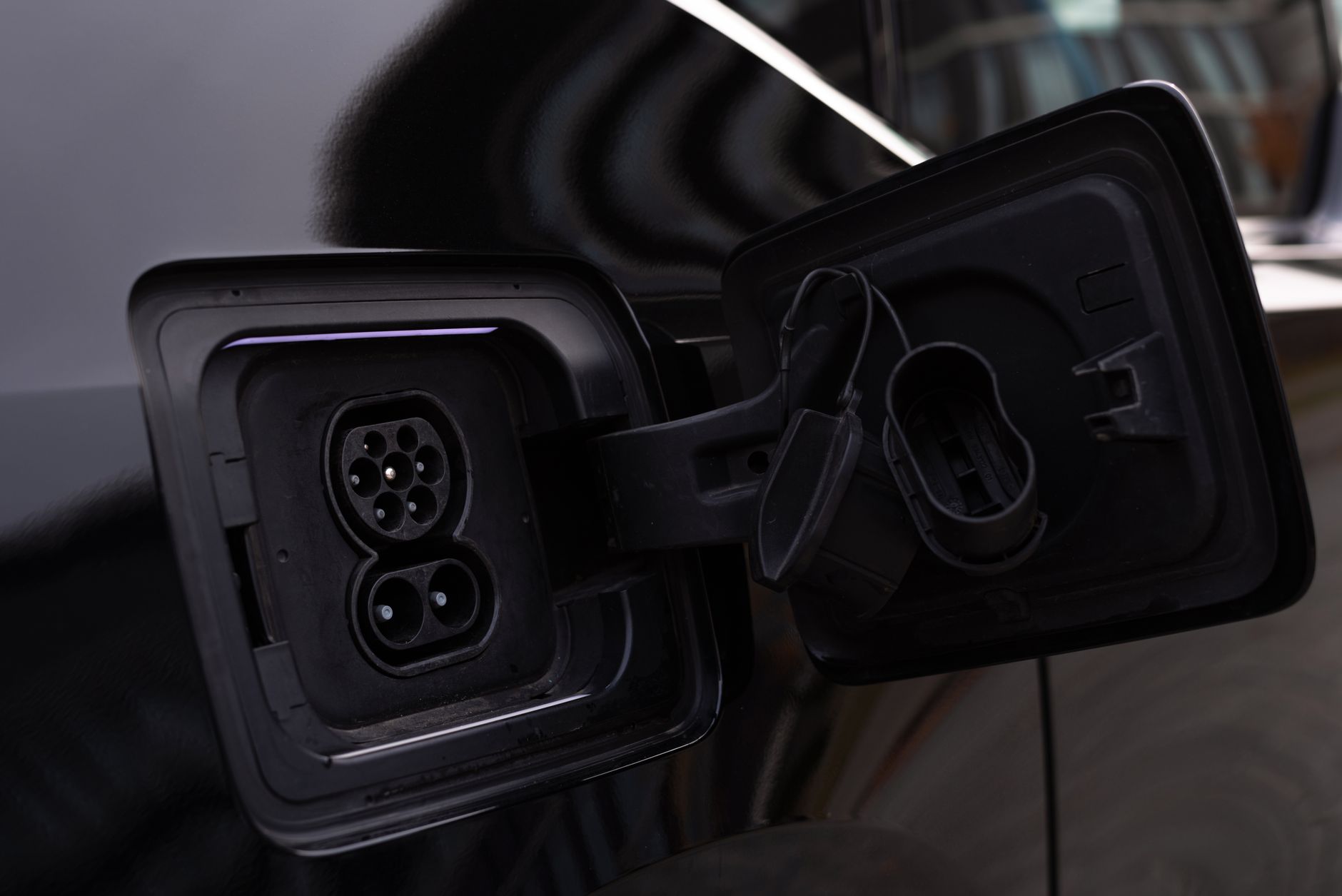
A fair number of the buyers walking a manufacturing show floor are dealing with equipment that's been modified, retrofitted, or electrified since the original gasket was specified — we wrote about one version of this in rubber seals for electric port equipment after a retrofit. The lesson carries over to a factory floor: when the equipment changes, the seal that used to fit it is worth rechecking, not just reordering.
Visit, call, or send a drawing — whatever's easiest
Some buyers want to walk in with a broken part in hand. Others just want to email a PDF and get a quote back. Both work here. If you'd rather see the shop and talk through the material in person before you commit to an order, that's what sets a supplier like ours apart from a catalog site — you're buying from the people who cut it, not from a warehouse three states away.
Get a quote started
If the show left you with a part to replace and no supplier lined up, send us the width, Duro, and thickness — or just describe what the part does and we'll help you land on a compound. Reach out and we'll get your material quoted.
SoCal Rubber
Rubber and elastomer supply for the U.S. West Coast since 2021. Rolls, sheets, extrusions and custom-molded parts, cut to your width, Duro and thickness from our Anaheim, CA warehouse. Call (714) 602-6515 or request a quote.