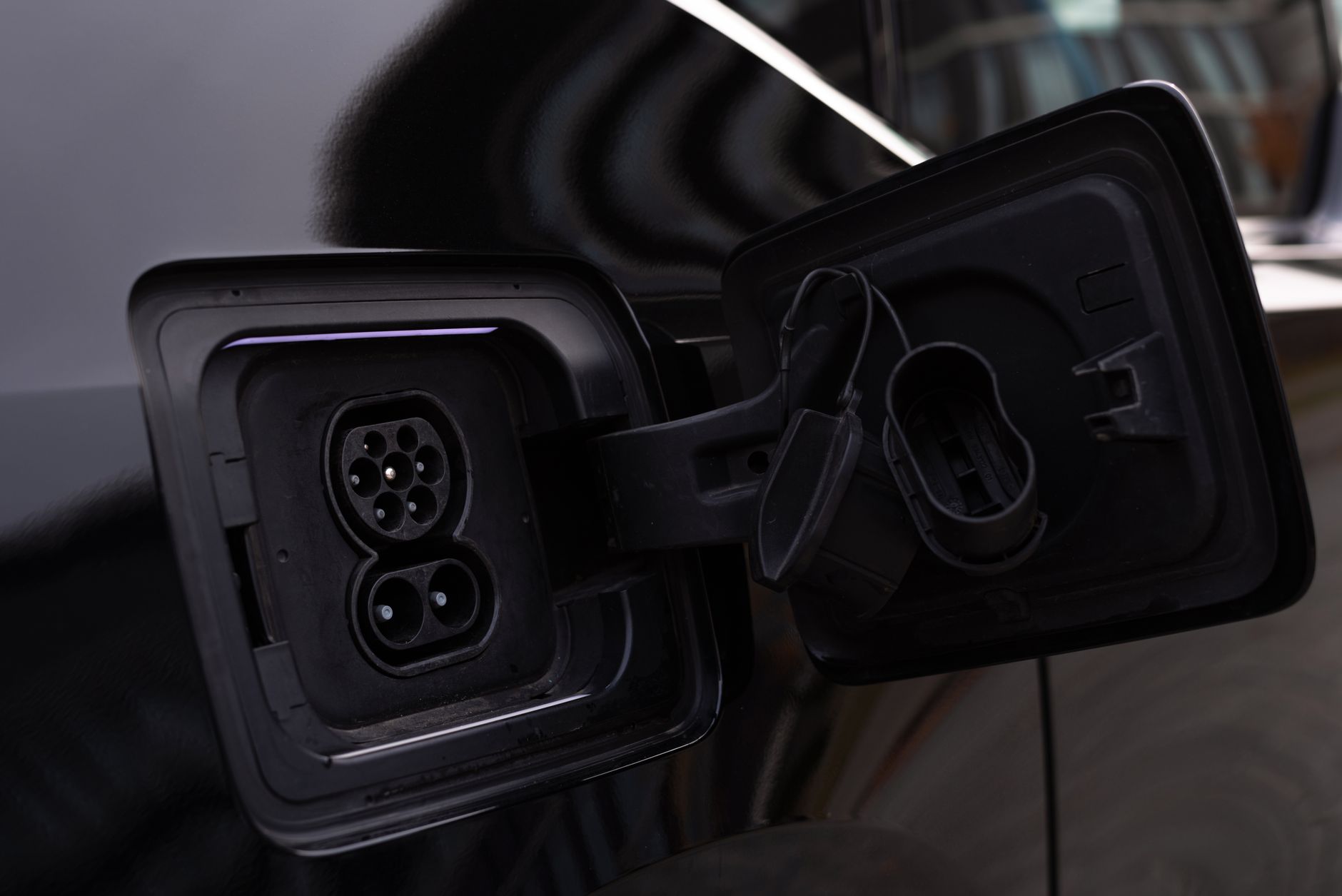
The Port of Long Beach holds a public update meeting on Sept. 16, 2026, on its zero-emissions cooperative agreement with the Port of Los Angeles and South Coast AQMD. The agreement, signed in December 2025, commits both ports to zero-emission plans for cargo-handling equipment, harbor craft, trucks, trains and ocean-going vessels, with draft plans due in 2027 and approved plans by the end of 2029. As yard tractors, top handlers and harbor craft convert to battery power, fabricators are asking a practical question: what changes about rubber seals for electric port equipment?
The answer is more than swapping one gasket for another. A diesel engine and an electric drivetrain fail differently, vibrate differently, and run at different temperatures. The rubber around them has to match.
What's Driving the Change
The cooperative agreement covers the nation's two busiest container ports. It phases in zero-emission requirements across every major equipment category at the San Pedro Bay complex. Terminal operators are already converting yard equipment and drayage fleets, and the Sept. 16 meeting is the latest quarterly check-in on that progress. For shops that supply gaskets, mounts and seals to this equipment, the retrofit wave is not a future problem. It is a current one.
Battery Enclosures Need a Different Gasket
A diesel engine bay sheds heat and tolerates some dust and moisture. A battery enclosure does not. It needs a gasket that holds a tight seal against water and dust intrusion over thousands of open-close cycles, without taking a compression set that leaves gaps. Closed-cell silicone sponge is common here because it keeps its spring-back across a wide temperature range and carries good dielectric properties near high-voltage components. EPDM sponge is a lower-cost option where UV and ozone resistance matter more than dielectric strength, such as an outdoor junction box on a yard tractor.
Coolant Loops Replace Exhaust Heat
Diesel equipment sheds heat through exhaust and a radiator running engine coolant with some oil exposure at the seals. A battery pack sheds heat through a dedicated glycol loop that never sees engine oil at all. That changes the compound calculus. EPDM handles glycol and water-based coolants well but breaks down fast around petroleum oil. If the retrofit keeps a hydraulic lift system alongside the new electric drivetrain, as many yard tractors do, the shop ends up running two different seal families on one machine: EPDM on the coolant side, nitrile or Viton on the hydraulics. Getting them mixed up on a parts order is an easy, expensive mistake.
Vibration Mounts Feel the Load Differently
An electric motor does not idle, knock or run through a combustion cycle. It delivers instant torque and it can produce sharp, high-frequency vibration at the mount points, especially under quick acceleration in yard service. A vibration mount sized for a diesel engine's low-frequency rumble can be the wrong durometer for a motor's sharper input. Shops re-specifying mounts for a converted chassis should treat the old diesel mount as a starting point for envelope size, not as a match for the new load case.
Harbor Craft and Drayage Trucks Follow the Same Pattern
The cooperative agreement does not stop at yard equipment. It reaches harbor craft and drayage trucks too, and both bring their own sealing questions. Harbor craft add saltwater exposure on top of the battery-enclosure and coolant-loop issues already covered, which pushes many shops toward EPDM or silicone over natural rubber for anything exposed to spray. Electric drayage trucks share more with the automotive side, but the duty cycle at a container terminal, stop-and-go with heavy loads, still argues for a vibration mount sized for that specific truck's load case, not a generic replacement part. Fleets serving demanding industrial sectors like this one tend to need parts custom-cut, not pulled off a shelf.
Retrofit vs. New-Build Sealing
A retrofit has to work inside an existing chassis footprint, which limits how much a gasket or mount can change in size even when the compound changes. A new-build electric machine has more freedom, since the enclosure and mount points are designed around the battery from the start. Either way, the starting point is the same: pull the old part, measure it, and confirm what it is actually sealing against now, not what it sealed against when the machine ran diesel. A part that looks identical on a shelf can be the wrong compound for a battery-electric application.
Getting the Right Compound Cut to Spec
We cut sheet rubber, rolls and molded parts in silicone, EPDM, nitrile, neoprene and Viton, and we've fielded more calls this year about battery enclosures and coolant seals than about diesel gaskets. If your shop is converting yard equipment or harbor craft under this push, we can help you match the compound to the actual exposure, not just the bolt pattern. Our guide on how to order custom-cut rubber sheet walks through width, Duro and thickness, the three things we need to cut it right. When you're ready, send us your specs and we'll quote the material.

SoCal Rubber
Rubber and elastomer supply for the U.S. West Coast since 2021. Rolls, sheets, extrusions and custom-molded parts, cut to your width, Duro and thickness from our Anaheim, CA warehouse. Call (714) 602-6515 or request a quote.